Skip to content

Mold

Mold: The Hidden Health Hazard

Understanding Mold and Mycotoxins

In recent years, our understanding of mold, mycotoxins and the serious health issues they can cause has grown tremendously. Yet, we’re just beginning to see more awareness of how dangerous mold and mycotoxins truly are.

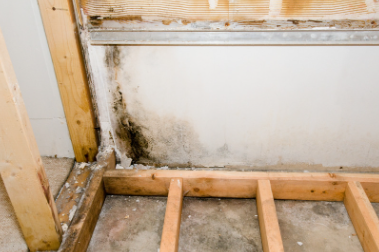
Mold is a type of fungus that thrives in damp, warm environments, often making its way into our homes, especially in places like basements, bathrooms, and kitchens. When there’s moisture present, mold releases tiny spores into the air, which can land on surfaces and grow into new colonies. You might see mold as black, green, white, or even orange patches on walls, ceilings, or other surfaces—and that familiar musty smell is usually a warning sign.

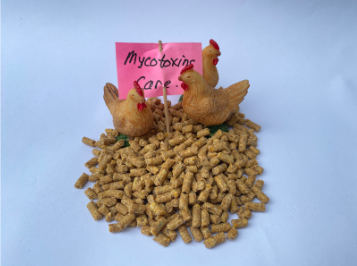
But the real danger goes beyond what you can see or smell. Mold produces mycotoxins—harmful chemical compounds that are invisible to the naked eye. These toxins can pass through walls and building materials, contaminating the air without leaving any visible signs of mold.

 Unfortunately, mold can easily hide in places like behind tiles, within walls, in HVAC systems, and crawl spaces, making it difficult to detect. Exposure to mold can happen anywhere—at home, school, or work—affecting anyone in the environment.

Mold Toxicity is not new—it is described in some detail in the Bible. In Leviticus 14, God warns the Israelites that if a home is contaminated with mold, “he shall have the inside of the house scraped all around, and the plaster that they scrape off they shall pour out in an unclean place outside the city.” And, if the mold returns, they are directed to tear down the house.

Release and Spread of Mycotoxins

Mold releases mycotoxins as tiny, harmful particles that attach to dust and easily become airborne. Unfortunately, ventilation systems can help spread these mycotoxins throughout a home, reaching even hidden areas. After mold remediation, mycotoxins can still linger on surfaces, in dust, and in the air unless thorough, specialized cleaning methods are used.

To effectively clear these toxins, it’s important to use small particle cleaning techniques, such as HEPA vacuuming, air filtration, and careful wiping of all surfaces with appropriate cleaning solutions. Without these measures, mycotoxins can continue to circulate, re-contaminating the environment even after the visible mold has been removed.

Impact on the Body

Mold illness can impact every system in the body, leading to a wide range of symptoms that affect multiple areas of health. This can make it especially challenging to identify and understand, as it doesn’t just target one part of the body but often shows up in various, seemingly unrelated ways.

Here are some of the most important impacts on the body:
  1. Impairment of Detox Pathways

Liver Overload: Mycotoxins can overwhelm the liver, which is the primary organ responsible for detoxification. The liver’s enzymes can become saturated or inhibited by these toxins, reducing the organ’s efficiency in processing and eliminating harmful substances.

Glutathione Depletion: Mycotoxins deplete glutathione, a critical antioxidant and detoxifying agent in the body. Glutathione plays a vital role in neutralizing toxins and supporting liver function, and its depletion compromises the body’s ability to detoxify effectively.

  1. Immune System Disruption

Inflammatory Response: Exposure to mycotoxins can trigger an excessive immune response, leading to chronic inflammation. This inflammation can further impair detoxification by diverting the body’s resources away from clearing toxins.

Immune Suppression: Mycotoxins can also suppress immune function, making the body more susceptible to infections and reducing its ability to fight off pathogens, including those that might assist in breaking down and eliminating toxins.

  1. Neurological and Systemic Effects

Neurotoxicity: Mycotoxins can cross the blood-brain barrier, affecting neurological function and leading to symptoms like brain fog, cognitive impairment, and mood disturbances.

Systemic Toxicity: Symptoms such as fatigue, muscle pain, and respiratory issues are common, as mycotoxins circulate throughout the body, affecting various systems.

  1. Gut Health and Microbiome: 

Exposure to mold and mycotoxins can disrupt the gut flora, leading to dysbiosis and increased intestinal permeability (leaky gut). This allows toxins to enter the bloodstream more easily, exacerbating inflammation and immune responses. A compromised gut also means fewer beneficial bacteria to help detoxify mycotoxins.

  1. Nutrient Deficiencies:

Chronic exposure to mycotoxins can deplete essential nutrients needed for immune function, detoxification, and cellular repair. Key nutrients include antioxidants, vitamins, and minerals that aid in detoxification and reduce oxidative stress.
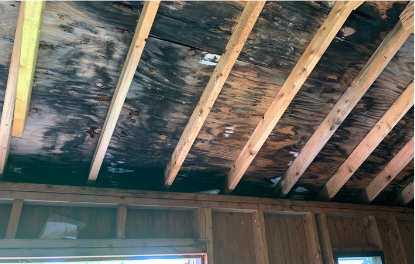
But the real danger goes beyond what you can see or smell. Mold produces mycotoxins—harmful chemical compounds that are invisible to the naked eye. These toxins can pass through walls and building materials, contaminating the air without leaving any visible signs of mold.

Unfortunately, mold can easily hide in places like behind tiles, within walls, in HVAC systems, and crawl spaces, making it difficult to detect. Exposure to mold can happen anywhere—at home, school, or work—affecting anyone in the environment.

Mold Toxicity is not new—it is described in some detail in the Bible. In Leviticus 14, God warns the Israelites that if a home is contaminated with mold, “he shall have the inside of the house scraped all around, and the plaster that they scrape off they shall pour out in an unclean place outside the city.” And, if the mold returns, they are directed to tear down the house.

Mold Illness Symptoms

  • Fatigue, muscle aches, headaches
  • Sensitivity to light, unusual pains
  • Abdominal pain, nausea, diarrhea
  • Chronic sinus congestion, coughing, chest pain
  • Electric shock sensations, ice pick-like pains
  • Joint pain, cognitive issues, skin sensitivity
  • Numbness, tingling, anxiety, depression
  • Night sweats, frequent urination, excessive thirst, body temperature issues
  • In children, mold illness may also present as ADHD-like symptoms, such as hyperactivity, inattentiveness, and learning difficulties.

The Severity of Mold Exposure

Just how bad is exposure to mold?
 
Toxic, but the effects vary from person to person. Some individuals are more prone to severe mold illness due to factors like genetic mutations, existing autoimmune conditions, previous inflammation, or being immunocompromised. It’s common for families living in the same mold-exposed environment to experience different symptoms and in varying degrees of severity. While some may have mild issues like eczema, mucus buildup, or irritability, others can be severely affected, developing autoimmune diseases, experiencing significant inflammation, reactivating latent infections like Lyme disease, or even developing conditions such as MCAS, POTS, heart problems, or strokes caused by blood clots. If you have genetic mutations, such as HLA or others that impair your ability to detoxify mold, you’re at a much higher risk for more extreme health outcomes. Your doctor can order a test to check the HLA gene or you can use a genetic testing provider like 23andme.

Fringe Science? Not Even Close

Most doctors still associate mold exposure mainly with respiratory issues or allergic reactions, but that understanding is outdated. The deeper research into mold and its byproducts, like mycotoxins, is actually quite new—roughly 20 years old. That’s why you’ll may find that most conventional healthcare providers are behind on the latest findings, having completed their medical training before this information was even available and it takes decades before new research is worked into the curriculum in medical school. Gut health is still not discussed in medical school…

It typically takes about 40 years for major scientific discoveries to become fully integrated into mainstream medicine.

Consider the history of smoking: two major studies were published in 1950 linking smoking to lung cancer, but it wasn’t until 1994—more than four decades later—that federal laws were enacted to ban smoking in schools and hospitals. Mold research is following a similar path. In Dr. Ritchie Shoemaker began studying biotoxin-related illnesses, which include the effects of mycotoxins from mold. By the early 2000s, he published studies showing how mold exposure, particularly in water-damaged buildings, can lead to chronic illnesses like Chronic Inflammatory Response Syndrome (CIRS). And, his 2005 book Mold Warriors marked a turning point in understanding how dangerous mold exposure truly is.

When I talk about mold toxicity and people give me skeptical looks, I remind them: People in the 1970s downplayed the risks of smoking, despite the overwhelming evidence. Today we’re having a similar conversation, but this time it’s about mold.

It’s not a fringe topic—it’s real science that’s still making its way into the mainstream, and I want to make sure I’m ahead of the curve—my health and children’s health depends on it.

Strategies for Addressing Mold Toxicity

  1. Detoxification Support

Diet and Supplements: Supporting detoxification through diet (anti-inflammatory foods) and supplements (glutathione, activated charcoal, and NAC) to help bind and eliminate mycotoxins. The use of infared sauna and lymphatic massages are also important tools to support detoxification.

Liver Support: Using herbs and nutrients like milk thistle and N-acetylcysteine (NAC) to support liver function and boost glutathione levels.

  1. Immune System Support

Anti-Inflammatory Interventions: Utilizing natural anti-inflammatories, such as resveratrol (from Japanese knotweed), aloe or rosemary, to reduce the burden on the immune system.

Probiotics and Gut Health: Maintaining a healthy gut flora with probiotics, specifically Saccharomyces boulardii, to support the immune system and detox pathways.

See the Herbal Guide for more in-depth discussion of strategies for addressing mold toxicity.

Testing for Mycotoxins

Urinary Mycotoxin Tests

These tests are designed to detect the presence of mycotoxins that have been excreted in the urine, providing a snapshot of the body’s mycotoxin burden. The process involves collecting a urine sample, which is then analyzed for various mycotoxins. This test can identify specific types of mycotoxins, such as ochratoxin, aflatoxin, and gliotoxin, among others. These toxins are linked to specific molds, like Aspergillus and Stachybotrys, and their presence in urine indicates that the body has been exposed to mold and is currently excreting these toxins.

Urine mycotoxin testing is particularly helpful for individuals who are experiencing symptoms consistent with mold exposure and/or suspect mold but haven’t found any in the home and school. It’s also an important tool for people with chronic illnesses or those who have not responded to traditional treatments.

You can order your own mycotoxin tests here.

ERMI for Home Mold Testing

Testing the environment for mold is equally important and what you test first depends on your situation. We tested my son’s mycotoxins first because we had a leak and I suspected mold. The Environmental Relative Moldiness Index (ERMI) is a test used to assess the presence of mold and mycotoxins in homes.

The ERMI test is a DNA-based analysis that measures the presence of 36 different mold species in dust samples collected from the home. This test provides a moldiness index that can be used to assess the relative mold burden in the home. To perform an ERMI test, dust is collected from various surfaces in the home, including high surfaces like ceiling fans and top shelves, where mold spores tend to settle.

ERMI scores are used to compare the moldiness of one home to others across the country. A higher ERMI score indicates a higher concentration of mold in the home. This test is particularly useful for identifying hidden mold problems in a home.

Mold Detox Basics

  1. Reduce Exposure: Avoid environments that may be contaminated with mold.
  2. Open Detox Pathways: Use herbs like milk thistle and dandelion to support liver function and bile flow. Ensure regular bowel movements (1-2 times a day) and support detoxification with infrared sauna, dry brushing, castor oil packs, Epsom salt baths, and bentonite clay baths.
  3. Binders: Use binders like activated charcoal, zeolite, or chlorella to help remove toxins from your body.
  4. Binders + DetoxSupport Agents: Combine binders with agents that help support the body excrete toxins out, like NAC and glutathione.

Protocols

If you’re navigating mold illness, you’re not alone—many renowned doctors have developed specialized protocols to address this complex condition. Dr. Shoemaker’s protocol focuses on chronic inflammatory response syndrome (CIRS), offering a step-by-step approach to identifying and treating mold toxicity. Dr. Neil Nathan emphasizes healing the most sensitive individuals, focusing on gentle yet effective treatments. Dr. Jill Crista provides a comprehensive mold recovery plan that incorporates nutrition, detoxification, and lifestyle changes. Dr. Klinghardt’s protocol integrates holistic methods, including detoxification and immune support, to tackle the deeper effects of mold exposure. Each of these protocols is designed to help you take meaningful steps toward recovery and reclaim your health.

Actino

The Interplay Between Mold and Bacteria

Mold and bacteria are both microorganisms that can thrive in environments with excess moisture and poor ventilation. Both can pose serious health risks if they colonize indoor environments, particularly when left untreated.

The Role of Mold in Creating a Conducive Environment for Bacteria

Mold requires moisture to grow, and it often colonizes surfaces in damp, warm areas. When mold is left untreated, it can create an environment that is not only hospitable to its own proliferation but also to the growth of various bacteria. This can occur in several ways:

  1. Organic Material Decomposition: Mold breaks down organic materials such as wood, drywall, and fabrics, creating an abundant source of nutrients. This decomposition process can generate additional moisture and organic waste, which are ideal conditions for bacterial growth.
  2. Surface Damage: As mold colonizes and damages surfaces, it can create microenvironments within cracks and crevices. These areas can trap moisture and organic matter, providing an ideal breeding ground for bacteria

Immune Suppression:

Mold exposure can suppress the human immune system, making individuals more susceptible to bacterial infections. When the body’s defenses are weakened, bacteria that might otherwise be kept in check can proliferate more easily.

Transition from Mold to Bacterial Dominance

When mold remains untreated, it can lead to a gradual shift where bacteria begin to dominate the environment. This transition is facilitated by the favorable conditions created by the mold’s presence. Here are the key factors involved in this process:

  1. Moisture Retention: Mold increases humidity levels, both through its growth processes and by trapping moisture in its mycelium. This persistent moisture creates a perfect habitat for bacteria, which often thrive in damp environments.
  2. Nutrient Supply: The organic waste produced by mold decomposition provides a rich nutrient supply for bacteria. This allows bacteria to flourish in areas initially colonized by mold.
  3. Biofilm Formation: Bacteria can form biofilms, which are communities of bacteria that adhere to surfaces and are surrounded by a protective matrix. Biofilms can incorporate mold, creating a mixed community where bacteria benefit from the structures and nutrients provided by the mold.

Secondary Infections

 As bacteria take advantage of the weakened state of individuals exposed to mold, secondary infections can become more common. For example, bacteria such as Staphylococcus and Mycoplasma can cause respiratory and skin infections in individuals already compromised by mold exposure.

Preventive Measures and Treatment

To prevent the transition from mold dominance to bacterial overgrowth, it is crucial to address mold issues promptly and effectively:

  1. Moisture Control: Reducing humidity levels and fixing leaks or water damage promptly can prevent mold growth and subsequent bacterial colonization.
  1. Thorough Cleaning: Regular cleaning with mold and bacteria-specific disinfectants can help control microbial populations.
  1. Air Quality Improvement: Using air purifiers with HEPA filters can reduce airborne mold spores and bacteria, improving indoor air quality.

If you test your home for mold and mycotoxins and the results were not as high as you were expecting, you should consider testing for actinomycetes. Ask me how I know? You can order one here.

While mold itself poses significant health risks, the untreated presence of mold can create an environment where bacteria can thrive, leading to even more severe health complications.

To

read

more

about

Mold

head

over

to

Chart.

×