
Open Detox Pathways
Detoxification is one of the body’s most important processes—a system that works to eliminate the toxins, waste products, and harmful substances that we encounter daily. From the air we breathe to the food we eat, our bodies are constantly exposed to a cocktail of chemicals, pollutants, and pathogens. To maintain health and prevent disease, it’s crucial that our detoxification pathways are functioning optimally.
The Importance of Detoxification Pathways
Our bodies are equipped with a remarkable detoxification system, designed to neutralize and eliminate toxins that can otherwise accumulate and cause harm. However, in today’s world, the burden of toxins has increased dramatically, overwhelming our natural detox pathways and leading to a range of health issues.
When detoxification pathways are sluggish or impaired, toxins can build up in the body, leading to symptoms like fatigue, brain fog, skin problems, digestive issues, and more serious conditions such as autoimmune diseases and chronic inflammation. By supporting your body’s detox pathways, you can help reduce this toxic burden and create an environment where healing can take place.
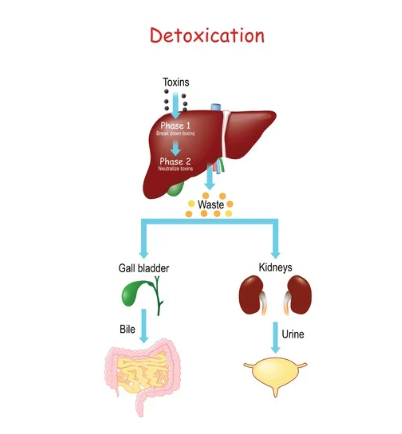
The Phases of Detoxification
Detoxification is a multi-phase process that involves several organs and systems working together to convert toxins into less harmful substances and ultimately eliminate them from the body.
By understanding how detoxification works, you can better support your body’s natural detox efforts and keep everything running smoothly.
- Phase 1: Activation In the first phase of detoxification, the body identifies and begins to process toxins. This phase primarily occurs in the liver, where enzymes called cytochrome P450 convert toxins into intermediate forms, often making them more reactive and, in some cases, more toxic. While this may sound counterintuitive, it’s a necessary step in making these substances easier to eliminate.
- Phase 2: Conjugation Phase 2 of detoxification is all about neutralizing these reactive toxins. The liver adds molecules to these intermediate toxins through processes such as methylation, sulfation, and glutathione conjugation. These processes render the toxins less harmful and more water-soluble, preparing them for excretion. This phase is crucial because if Phase 2 is not working efficiently, the intermediate toxins created in Phase 1 can accumulate, leading to oxidative stress and damage to cells.
- Phase 3: Elimination In the final phase, the now neutralized toxins are transported out of the body through various elimination pathways (urine, feces, perspiration). The liver plays a central role in this process, excreting toxins into the bile, which is then released into the digestive tract and eliminated via the stool. The kidneys filter water-soluble toxins from the blood, excreting them through urine, while the lungs, skin, and lymphatic system also play important roles in removing toxins through breath, sweat, and lymphatic drainage.
The Organs Involved in Detoxification
- The LiverThe liver is the body’s primary detoxification organ, responsible for processing and neutralizing toxins through the phases of detoxification mentioned above. It also produces bile, which is essential for digesting fats and carrying fat-soluble toxins into the digestive tract for elimination.
- The KidneysThe kidneys filter the blood, removing water-soluble toxins and waste products, which are then excreted in the urine. Keeping the kidneys healthy and hydrated is crucial for maintaining efficient detoxification.
- The Lymphatic SystemThe lymphatic system is a network of vessels and nodes that transports lymph fluid, which contains waste products, immune cells, and other substances. This system plays a critical role in removing toxins from tissues and delivering them to the bloodstream for eventual elimination.
Usually, when people refer to the detoxification pathways they are primarily talking about the Liver, Kidneys, and Lymphatic System, but there are other organs that play a role as well.
- The Skin.The skin is our largest organ and acts as a secondary route of detoxification. Through sweat, the body can expel toxins, which is why practices like sweating through exercise or using an infrared sauna can support detoxification.
- The Lungs.The lungs are responsible for expelling carbon dioxide and other gaseous toxins from the body. Deep breathing exercises can help enhance lung capacity and support the detoxification process by improving oxygen exchange and promoting the release of toxins.
- The Gut.A healthy gut is essential for detoxification. The gut not only helps to eliminate waste through bowel movements but also plays a role in supporting the immune system and preventing the reabsorption of toxins back into the bloodstream. Ensuring regular, healthy bowel movements is a key aspect of effective detoxification.
Supporting Your Detoxification Pathways
Supporting your body’s detoxification pathways involves more than just doing an occasional cleanse—it’s about creating daily habits and practices that help your body function optimally.
Here are some strategies to support your detox pathways:
- Stay Hydrated: Water is essential for all phases of detoxification. It helps the kidneys filter toxins and supports the elimination of waste through urine and sweat.
- Eat a Nutrient-Rich Diet: Foods rich in antioxidants, fiber, and essential nutrients like vitamins, minerals, and amino acids provide the building blocks your body needs to process and eliminate toxins.
- Incorporate Detoxifying Herbs: Herbs like milk thistle, dandelion, and burdock root can support liver function, while others like nettle and parsley support kidney health.
- Promote Regular Bowel Movements: Fiber-rich foods, hydration, and probiotics help maintain healthy digestion and regular elimination, preventing toxins from being reabsorbed into the body.
- Sweat Regularly: Exercise, saunas, and other practices that promote sweating help the body eliminate toxins through the skin.
- Deep Breathing: Practice deep breathing exercises to enhance lung function and promote the release of gaseous toxins.
- Lymphatic Support: Activities like dry brushing, massage, and movement can help stimulate lymphatic flow and support detoxification.
Detoxing the Brain
When discussing detoxification, it’s important not to overlook the brain’s own detox system: the glymphatic system. This remarkable system works primarily during sleep to clear out waste products from the brain, including toxins, damaged proteins, and even amyloid plaques, which have been linked to neurodegenerative diseases like Alzheimer’s. It’s like a nighttime cleaning crew for your brain, flushing out the “garbage” through the cerebrospinal fluid and into the circulatory system, where it can be processed and eliminated.
Supporting the glymphatic system is just as critical as supporting the liver and kidneys. Deep, restorative sleep, staying hydrated, and reducing inflammation are all ways to ensure your brain’s detox system is functioning at its best. Sleep hygiene, such as creating a relaxing bedtime routine and ensuring you get enough hours of rest, can make a significant difference in your brain’s ability to detoxify.
A Lifelong Commitment to Health
Detoxification is not just a one-time event; it’s an ongoing daily process that requires consistent support. By understanding how your body detoxifies and incorporating practices that enhance this natural process, you can help reduce your toxic burden, prevent chronic illness, and promote a state of balance and vitality. Supporting your detoxification pathways is one of the most loving things you can do for your body, allowing it to thrive in a world filled with constant challenge.