detox
Dr. Ben Lynch, MD, in his book Dirty Genes, puts it bluntly, “Our bodies were never designed to bear that chemical burden.”
Two hundred and fifty years ago, people didn’t need to think about synthetic chemicals. They simply didn’t exist. Our bodies were built to handle the natural toxins we encountered in the environment. But things have changed. Our detox systems, which once worked just fine, are now struggling to keep up with the overwhelming onslaught of toxins from heavy metals, pesticides, microplastics, and industrial chemicals.
Imagine your body’s detox system as a bucket. In the past, the bucket could easily hold the natural toxins it was exposed to. But today, our buckets are overflowing, and the toxic burden is more than our bodies can handle.

How did we get here?
 During the Industrial Revolution, coal became the main fuel source, powering machinery, steamships, and locomotives. Along with this progress came massive air, water, and land pollution. Then, in 1855, the first synthetic chemical was created, and a year later, the first autoimmune disease was identified. While autoimmune diseases may have existed before, they were rare. This was the beginning of something bigger.
Fast forward 170 years from the creation of the first synthetic chemical, and we now face a tidal wave of over 350,000 synthetic chemicals in our world. We’ve gone from just 5,000 synthetic chemicals in 1924 to hundreds of thousands today. With this massive increase in chemical exposure, we’ve seen a parallel rise in autoimmune diseases. It’s estimated that 1 in 10 Americans now has an autoimmune condition, and there are over 80 different types of autoimmune diseases. It’s no coincidence. It’s estimated that 1 in 10 Americans now suffers from an autoimmune condition, with more than 80 distinct types identified.

Recent research spearheaded by the Environmental Working Group (EWG) revealed disturbing findings: an average of 200 industrial chemicals and pollutants were found in the umbilical cord blood of newborns born in 2004. These included chemicals from fast food packaging, flame retardants, pesticides, and industrial byproducts from burning coal, gasoline, and even garbage.
Of the 287 chemicals identified, 180 are known to cause cancer in humans or animals, 217 are toxic to the brain and nervous system, and 208 can cause birth defects or abnormal development.
Children are not just miniature adults—they are far more vulnerable to the chemicals in our environment. Pound for pound, a child’s exposure to toxic chemicals is significantly greater than that of an adult. And it’s not just about their size. The blood-brain barrier, which in adults helps shield the brain from harmful substances, is still developing in children. This makes it more porous, allowing chemicals to reach and affect the brain at critical stages of growth.
Additionally, children have lower levels of certain chemical-binding proteins, meaning more of these harmful substances can reach their organs and tissues. As their bodies grow, organs like the brain, liver, and kidneys are developing at an extraordinary rate. As children, their vulnerability to damage from environmental toxins is amplified. Their detoxification systems—the systems that help rid the body of harmful chemicals—are not yet fully functional. So when these toxins enter a child’s body, they tend to stay longer and have a greater impact.
And unlike adults, children have a longer life ahead of them. This means more time for the long-term effects of chemical exposure to unfold—be it developmental issues, chronic illness, or diseases that take decades to appear.
The scale of this issue is staggering. In the U.S. alone, industries manufacture and import approximately 75,000 chemicals, with 3,000 of those produced at volumes exceeding a million pounds per year. Health officials have no clear idea how many of these chemicals pollute fetal blood, nor do they fully understand the long-term health consequences of exposure to such toxins in utero.
Children today are seeing a rapid rise in autoimmune diseases. While genes do play a role, it’s becoming increasingly clear that environmental toxins are fueling this disturbing trend. We are living in a world where our bodies—and especially our children’s bodies—are fighting against a flood of invisible enemies. It’s time for a change.
So, where do we go from here? The first step is understanding the problem. By educating ourselves, we can take action to protect our health and our children’s health. Detoxifying our environment, our homes, and our bodies has never been more critical.
Detoxification: what does it really mean?
Mobilizing Toxins from the Tissues
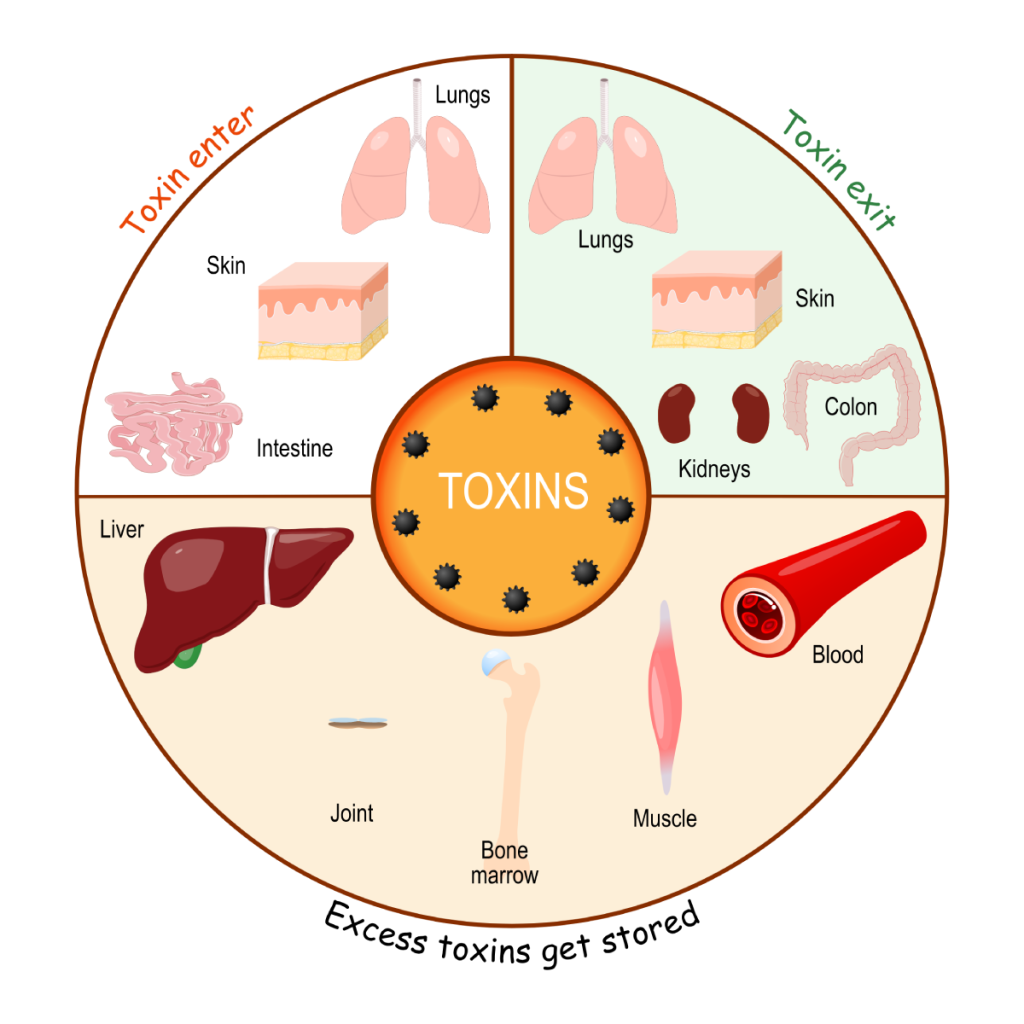
Toxins can accumulate deep in the tissues of our organs, muscles, fat, and even bones. Mobilizing these toxins—getting them out of storage and into the bloodstream where they can be processed and eliminated—is a key step in detoxification. However, this needs to be done carefully. If toxins are mobilized too quickly without proper support, they can circulate in the body, causing symptoms like fatigue, brain fog, or inflammation, and can even be reabsorbed.
Certain herbs and nutraceuticals are particularly effective at gently encouraging the release of toxins from tissues:
- Milk Thistle: One of the most well-known liver-supporting herbs, milk thistle helps the liver regenerate and process toxins. It contains silymarin, an active compound that not only supports liver function but also protects liver cells from damage while promoting the detox process.
- Dandelion Root: A potent herb for liver and kidney support, dandelion root stimulates the production of bile, which is crucial for breaking down toxins and helping them move out of the body via stool.
- Cilantro and Chlorella: Often used together, cilantro helps mobilize heavy metals stored in tissues, while chlorella binds to these metals so they can be safely excreted. Cilantro mobilizes toxins, and chlorella acts like a sponge, preventing those toxins from being reabsorbed.
- Glutathione: Known as the body’s master antioxidant, glutathione plays a key role in neutralizing free radicals and aiding in the detoxification of heavy metals and environmental toxins. Supporting glutathione levels with supplements or through foods like garlic, spinach, and avocados can be a powerful way to enhance detoxification.
- Alpha Lipoic Acid (ALA): ALA helps regenerate other antioxidants, including glutathione, and supports detoxification by encouraging the removal of heavy metals from tissues.
The Role of Binders in Detoxification
Once toxins have been mobilized from the tissues, they need to be safely carried out of the body. This is where binders come in. Binders are substances that “grab” toxins in the digestive system, preventing them from being reabsorbed into the bloodstream, and ensuring they are excreted through urine or stool.
Common binders include:
- Activated Charcoal: This natural substance is highly porous, allowing it to bind to toxins, chemicals, and gases in the digestive tract. Activated charcoal is effective in reducing the reabsorption of toxins, especially after they’ve been mobilized from tissues.
- Bentonite Clay: Known for its ability to bind to heavy metals and other environmental toxins, bentonite clay works in a similar way to activated charcoal, helping to draw toxins out and escort them safely out of the body.
- Zeolite: A natural mineral, zeolite is often used as a detoxifier for heavy metals and other environmental toxins. It has a cage-like structure that traps toxins, helping the body eliminate them without reabsorption.
- Chlorella: In addition to its role as a mobilizer, chlorella also functions as a binder, particularly for heavy metals. It helps ensure that once these metals are released, they don’t linger in the body, but instead are carried out via the digestive system.
Opening Detox Pathways
For detoxification to be effective, we need to FIRST make sure the body’s detox pathways are open and functioning properly. These pathways are how the toxins exit the body—through urine, sweat, breath, and stool. If these pathways are clogged or not functioning at their best, toxins can become trapped, potentially causing more harm.
Hydration
Drinking plenty of water is fundamental for detoxification. Proper hydration supports the kidneys in flushing toxins out of the bloodstream through urine. It also keeps the lymphatic system moving, which is crucial for ensuring that toxins don’t accumulate in tissues.
Dry Brushing
Dry brushing is a simple technique that involves using a natural bristle brush to gently exfoliate the skin. This practice stimulates the lymphatic system and encourages the movement of lymph fluid, which helps carry toxins to the lymph nodes where they can be filtered and removed. Additionally, dry brushing enhances blood circulation and promotes the removal of dead skin cells, keeping the skin’s detox pathways open.
Castor Oil Packs
Applying a castor oil pack involves soaking a piece of cloth in castor oil and placing it on the abdomen, typically over the liver area. A heat source like a heating pad is then applied to enhance absorption. Castor oil packs are known for their ability to promote lymphatic drainage, improve circulation, and support liver detoxification.
Rebounding
Rebounding is a low-impact exercise performed on a mini-trampoline. It’s particularly effective for stimulating lymphatic flow, as the rhythmic bouncing encourages the movement of lymph fluid throughout the body. This helps in clearing waste and promoting overall circulation. Rebounding for just 10-15 minutes a day can be a great way to support the detoxification process, especially if your lifestyle is more sedentary.
Infrared Sauna
Infrared saunas provide a deep, penetrating heat that helps the body sweat out toxins stored in fat cells. Unlike traditional saunas, infrared saunas operate at a lower temperature, making it more comfortable to stay in longer while still promoting detoxification. The sweat produced during an infrared sauna session can help flush out heavy metals, plastics, and other environmental toxins, supporting overall detoxification efforts.
Sweating
The skin is one of the body’s most powerful detox organs. When you sweat, your body releases toxins through the pores. Activities like exercise, hot baths, or using a sauna can help encourage sweating and enhance the body’s natural ability to release toxins. It’s also important to keep the skin exfoliated and well-hydrated, as healthy, clear skin can better support the detoxification process.
Lymphatic Support
Movement is key for lymphatic flow. Exercise, yoga, and even massages can help stimulate the lymphatic system and move toxins toward the organs of elimination. Without proper movement, the lymph can stagnate, leading to a buildup of toxins in the tissues.
Supporting the Body's Natural Detoxification
The Main Players
Heavy Metals
Heavy metals are a silent but serious threat to our health. These toxic elements—like aluminum, mercury, lead, and cadmium—are found throughout our environment, often in places we least expect. The problem is that once these metals enter our bodies, they can be difficult to remove, accumulating in tissues over time and leading to a variety of health issues. Our bodies are simply not designed to process and eliminate the high levels of heavy metals we’re exposed to in the modern world.
Aluminum: An Increasing Presence
In the last 40 years, aluminum has become more pervasive than ever. It’s everywhere—used in cookware, food packaging, cosmetics, vaccines, and even our water supply due to industrial runoff. Its lightweight and durable properties have made it invaluable in many industries, but this convenience comes at a cost. The widespread use of aluminum has led to environmental contamination that we’re all affected by, often without realizing it.
When aluminum enters our bodies, it doesn’t just pass through. It can accumulate in the brain and other tissues, contributing to serious health concerns. Research has shown a link between aluminum exposure and neurological disorders, particularly Alzheimer’s disease. This metal causes oxidative stress and inflammation in the brain, damaging cells over time. For individuals with already impaired detoxification systems, the risks are even greater.
Mercury: A Potent Neurotoxin
Mercury, another heavy metal, has well-documented health dangers. For many years, mercury was used in dental amalgam fillings, which can slowly release mercury vapor as they degrade over time. Though its use in dentistry has diminished since 2004, the environmental presence of mercury remains widespread, primarily due to industrial activities like coal burning and mining. These processes release mercury into the air and water, where it persists and accumulates in the food chain.
Mercury is a potent neurotoxin, meaning it directly harms the brain and nervous system. It can cross the blood-brain barrier (BBB), a protective shield meant to keep harmful substances out of the brain. Unfortunately, when this barrier is weakened by other toxins—like glyphosate, a common herbicide—mercury can pass through more easily. Once in the brain, it interferes with neurotransmitter function, leading to cognitive issues, mood disorders, and a host of other neurological problems. Pregnant women and young children are particularly vulnerable, as mercury exposure can impair fetal development and early childhood growth.
Lead: A Lingering Threat
Though the use of lead in paints and gasoline has been significantly reduced, it still lingers in older homes, contaminated soil, and even some water supplies. Lead exposure is particularly dangerous for children, as it can interfere with brain development, leading to learning disabilities, behavioral problems, and lowered IQ. In adults, chronic lead exposure can contribute to cardiovascular issues, kidney damage, and even reproductive problems. The key to avoiding lead exposure is to be mindful of older environments and ensure your water and living spaces are tested and safe.
Cadmium: An Invisible Toxin
Arsenic: The Poison in Our Water
Arsenic is a naturally occurring element, but in some regions, it contaminates groundwater at dangerous levels. Chronic exposure to arsenic can lead to skin conditions, respiratory issues, and even an increased risk of cancers such as bladder, lung, and skin cancer. If you live in an area where arsenic is a concern, testing your water and using proper filtration systems is essential to limit your exposure.
The Blood-Brain Barrier: Our Compromised Defense
The blood-brain barrier (BBB) is our brain’s first line of defense, but it’s not invincible. Environmental toxins like glyphosate can compromise the integrity of the BBB, making it more permeable and allowing harmful substances—such as mercury and aluminum—to slip through. This breach can exacerbate the neurotoxic effects of these heavy metals, leading to a wide range of neurological and cognitive disorders that are becoming all too common in today’s world.
Protecting ourselves and our families from heavy metals starts with awareness. By understanding the sources of exposure and the ways in which these metals affect our bodies, we can take steps to reduce our risk. Detoxifying from heavy metals is possible, but it requires time, knowledge, and a proactive approach.
Glyphosate, Pesticides & Herbicides
What is Glyphosate?

Glyphosate is a chemical that’s hard to escape. It’s a non-selective herbicide, meaning it kills just about any plant it touches. That’s why it’s used so heavily in farming, especially with genetically modified (GMO) crops like soybean, corn, canola, cotton, sugar beets, and alfalfa, which are designed to withstand glyphosate while other plants around them perish. Originally developed by Monsanto (now owned by Bayer since 2018), this method of farming has been a boon for large-scale, monoculture agriculture. But it has also led to a concerning reality: glyphosate has infiltrated not just our food, but also our water, air, and even clothing.
Glyphosate’s Reach and Our Health
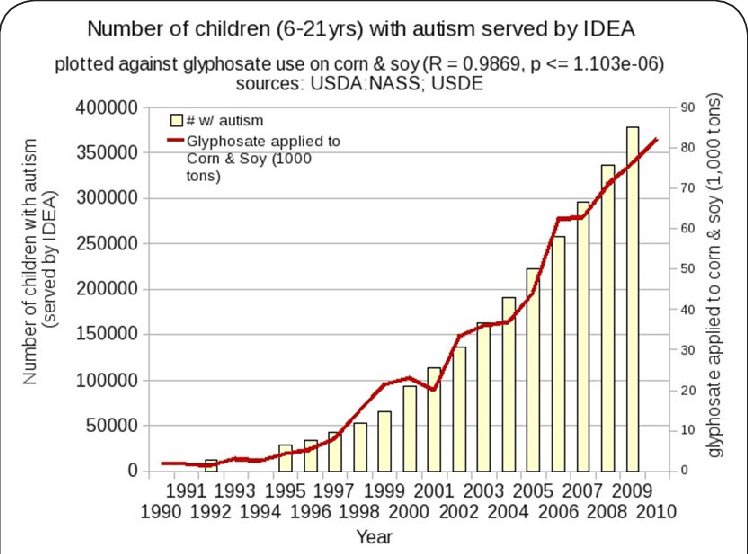
Glyphosate isn’t just on the crops; it’s everywhere. It’s in the feed given to animals, processed foods, and even fabrics we wear. The increase in glyphosate use since the 1990s has mirrored a troubling rise in various health conditions, including autism, autoimmune diseases, and neurological disorders. The data shows a striking correlation: as glyphosate use has surged, so have the rates of diseases like celiac disease, Alzheimer’s in women, Parkinson’s in men, and even thyroid cancer.
In 1996 Monsanto introduced genetically modified crops, branded as “Roundup Ready.” These GMO crops allowed farmers to spray glyphosate directly onto the crops without damaging them, drastically increasing the chemical’s use. As a result, we began consuming glyphosate-laden foods without even realizing it. Women who ate these foods passed the chemicals on to their children during pregnancy and breastfeeding. Over time, glyphosate has spread deeper into our soils and ecosystems, to the point where it now contaminates nearly everything we touch.
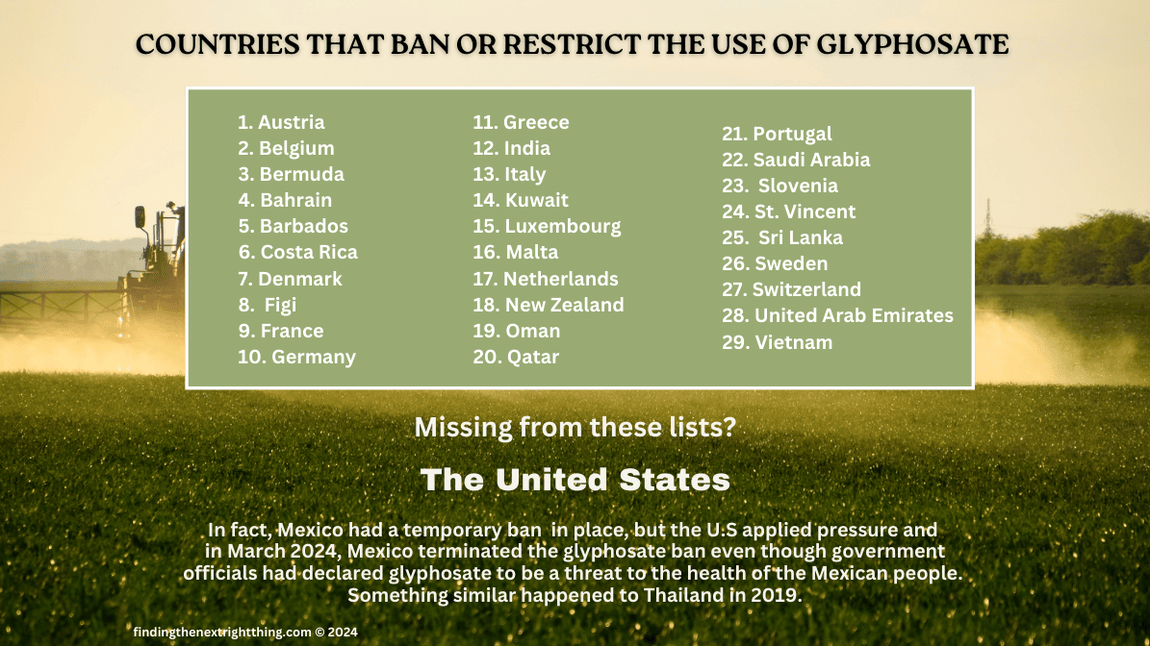
Meanwhile, Monsanto has thrived, reaping huge profits, while the health of Americans has steadily declined. Glyphosate use has been banned in 30 countries, with another 7 imposing restrictions, yet here in the U.S., its use remains widespread. Even Mexico, which proposed a ban on glyphosate, reversed its decision in 2024 under pressure from the U.S. and corporate interests.
How our Bodies Pay the Price
Glyphosate doesn’t just harm plants—it affects us too, starting at the cellular level. One of its most dangerous effects is how it disrupts the function of tight junctions in the body. Tight junctions are like gatekeepers that hold our cells together and control what passes in and out of our tissues. These gatekeepers are essential for maintaining the health and integrity of critical barriers in our body, like the intestines, kidneys, liver, blood vessels, and the blood-brain barrier.
When glyphosate compromises these tight junctions, it weakens our body’s defenses. Harmful substances that should be kept out—like toxins and pathogens—are able to slip through these barriers and enter the bloodstream. The result is often a cascade of health issues.
For example, when tight junctions in the intestines are disrupted, it can lead to “leaky gut,” a condition where undigested food particles and toxins leak into the bloodstream. This triggers chronic inflammation and can contribute to autoimmune diseases and other long-term health problems.
The blood-brain barrier, which is supposed to protect the brain from harmful substances, can also be compromised by glyphosate. When this happens, toxins can enter the brain and cause neuroinflammation, which may lead to cognitive impairments, Alzheimer’s, Parkinson’s, and other neurological disorders.
Systemic Effects of Tight Junction Dysfunction
Our kidneys and liver, which are responsible for filtering and detoxifying our blood, also rely on tight junctions to function properly. When glyphosate damages these junctions, it hampers the body’s ability to eliminate toxins, placing additional stress on these vital organs. Similarly, when tight junctions in blood vessels are compromised, it can lead to increased vascular permeability, contributing to inflammation and cardiovascular issues.
Glyphosate in Our Environment
The problem with glyphosate extends beyond our bodies; it’s affecting the world around us. Glyphosate disrupts the shikimate pathway, a biological process in plants and certain microorganisms that’s essential for producing key amino acids. When glyphosate is used in agriculture, it doesn’t just kill weeds—it also harms the beneficial microbes in the soil. These microbes are essential for soil health, and without them, the soil’s ability to support plant life diminishes.
What’s more, this same pathway exists in the beneficial bacteria in our gut. These microbes play a crucial role in our immune system, digestion, and overall health. By killing off these good bacteria, glyphosate contributes to imbalances in the gut, which can lead to a wide range of health issues, from digestive problems to weakened immunity.
It’s clear that the pervasive use of glyphosate is taking a heavy toll—on our health, on our ecosystems, and on future generations. As more and more studies reveal the dangers of glyphosate, it’s becoming increasingly important for us to take steps to reduce our exposure and protect our health. While we can’t eliminate all sources of glyphosate overnight, we can start by making informed choices about the foods we eat, the products we use, and how we advocate for change.
The Rise in Chronic Diseases

The Correlation Isn’t Just Coincidence
Seneff’s research goes beyond merely presenting statistical correlations. Her work explores how glyphosate’s interference with biological processes might be at the root of this increase. For example:
- Gut Microbiome Disruption: Glyphosate’s impact on beneficial gut bacteria can contribute to dysbiosis, which has been linked to both autism and autoimmune diseases. A disrupted gut microbiome can lead to systemic inflammation and increased gut permeability—often referred to as “leaky gut”—both of which are known to play significant roles in the development of autoimmune conditions.
- Impaired Detoxification: Glyphosate’s inhibition of critical pathways like the shikimate pathway (which is essential for producing certain amino acids in plants and gut bacteria) may affect the body’s ability to detoxify. This impaired detoxification could lead to a buildup of environmental toxins, heavy metals, and other harmful substances in the body, triggering immune responses and neuroinflammation.
- Nutrient Deficiencies: Glyphosate is known to chelate vital minerals, such as magnesium, iron, and manganese. When crops are sprayed with glyphosate, their nutrient density diminishes, and the long-term consumption of these foods can contribute to nutrient deficiencies in humans, which further compromises immune function and brain health.
Understanding the Broader Impact
Plastics
Plastics are everywhere, woven into the fabric of our daily lives. They wrap our food, hold our drinks, and even make up the clothes we wear. At first glance, they seem to make life more convenient. But beneath this convenience lies a troubling reality that’s becoming harder to overlook.
The Ubiquity of Plastics
Over time, plastics don’t just disappear—they break down into smaller particles called microplastics and, eventually, into even tinier fragments known as nanoplastics. These microscopic pieces have now permeated almost every corner of our environment. They’ve been found in the air we breathe, the water we drink, and the food we eat. Alarming recent studies show that these plastics are also making their way into our bodies, and the potential risks are becoming clearer.
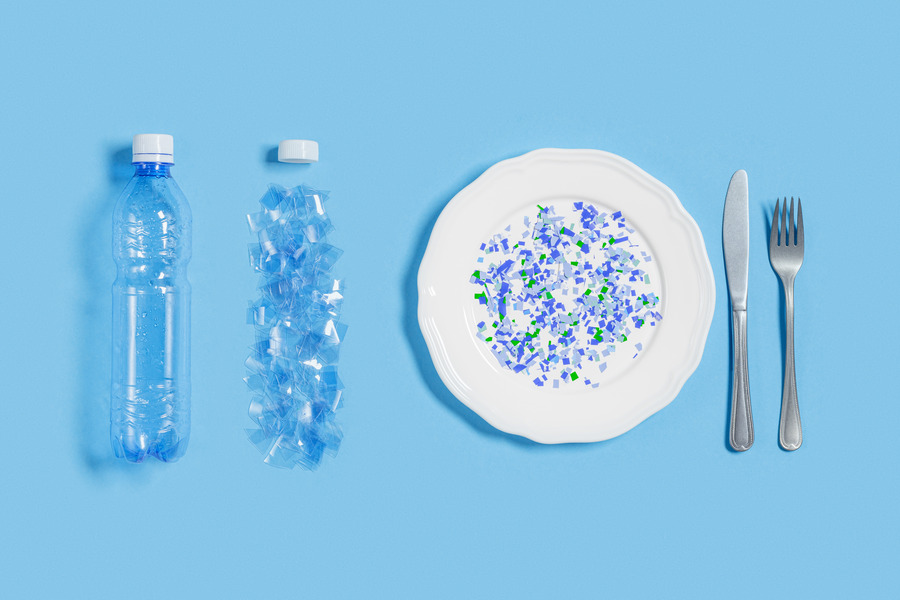
These tiny, sharp particles act like glass as they move through the body, disrupting hormonal balance, triggering inflammation, and throwing off critical cellular communication. Over time, this damage builds, leading to chronic health issues.
To put it in perspective, the average American consumes the equivalent of a credit card’s worth of microplastics every single week.
How Plastics Impact Our Health
Plastics have become so ingrained in our daily lives that it’s easy to overlook the potential harm they pose. However, research is increasingly revealing the hidden dangers these tiny plastic particles—microplastics and nanoplastics—can have on our health. What was once seen as convenient is now becoming a cause for concern.
Heart Health
Emerging studies suggest that microplastics can enter our bloodstream, where they may contribute to cardiovascular disease. These tiny particles could be an overlooked factor in heart attacks and other heart-related conditions, raising new concerns about how deeply plastics affect our bodies.
Cancer Risk
Plastics often contain chemicals like phthalates and BPA, which can leach into our food and drink from packaging. These chemicals are endocrine disruptors, interfering with our body’s hormone systems. Long-term exposure has been linked to increased risks of breast and prostate cancer, making something as simple as a plastic container a potential health risk over time.
Respiratory Problems
As plastics break down, they release chemicals into the air, which can irritate the lungs and contribute to respiratory issues like asthma and chronic lung diseases. In urban areas where plastic use is widespread, this is becoming a growing concern for everyone’s health.
Immune System Disruption
Research suggests that microplastics may also weaken the immune system by triggering inflammation. This could lead to autoimmune disorders or impair the body’s ability to fend off infections, making it harder for us to stay healthy in the long run.
What Can We Do?
It’s easy to feel overwhelmed by the scale of the plastic problem, but even small changes can make a difference. Choosing glass or stainless steel containers, avoiding plastic packaging when possible, and opting for products made from natural materials are simple steps we can take to reduce our exposure to these harmful particles.
Plastics may seem unavoidable, but by making more conscious choices, we can protect our health and the health of our families. Awareness is the first step, and from there, we can take action to limit the hidden dangers of plastics in our lives.
Industrial Chemicals
PFAS aka Forever Chemicals

PFAS, or per- and polyfluoroalkyl substances, are synthetic chemicals that have quietly become one of the most pervasive environmental threats of our time. Nicknamed “forever chemicals” for their ability to resist breaking down, PFAS accumulate in the tissues of humans and animals alike, for decades. These substances are commonly found in products designed to repel water and grease, such as non-stick cookware, waterproof clothing, food packaging, and firefighting foams. While these items make life more convenient, the invisible cost to our health is steep.
The Health Risks of PFAS
PFAS exposure has been linked to a host of serious health concerns. These chemicals can interfere with the immune system, disrupt hormones, and cause damage to vital organs like the liver and kidneys. Perhaps most troubling, research shows that long-term exposure to PFAS can increase the risk of certain cancers. By interfering with the body’s endocrine system, PFAS can also negatively impact reproductive health and development, posing a particularly high risk to pregnant women and children.
PFAS in Our Drinking Water and Food Supply
One of the most alarming aspects of PFAS is their infiltration into our drinking water. Industrial discharges, runoff from firefighting foams, and contamination from landfills have introduced PFAS into water supplies across the globe. In the U.S., many communities are grappling with PFAS levels that exceed safety standards set by health authorities, putting countless people at risk. And it doesn’t stop at water—PFAS also make their way into the food supply. These chemicals can migrate from food packaging into the food we eat, further increasing our exposure.
Other Harmful Chemicals
Beyond PFAS, there are several other harmful substances that we encounter daily without even realizing it. These chemicals, found in everything from household products to the food we eat, can disrupt our bodies in profound ways. Here’s a summary of some of the other top offenders that should be on your radar:
- Phthalates
Phthalates are a group of chemicals used to make plastics more flexible and durable. They’re found in everything from toys and food packaging to cosmetics and personal care products like shampoo and lotion. The problem is, phthalates are endocrine disruptors, meaning they interfere with our hormone systems. This can lead to reproductive issues, developmental problems in children, and even an increased risk of certain cancers. Reducing exposure to phthalates often starts with avoiding plastics and choosing personal care products labeled as “phthalate-free.”
- Bisphenol A (BPA)
BPA is another plastic-related chemical commonly found in food and drink containers, like water bottles and the lining of canned goods. Like phthalates, BPA is an endocrine disruptor that can mimic estrogen and disrupt hormonal balance. Long-term exposure has been linked to infertility, heart disease, and an increased risk of breast and prostate cancers. Though many manufacturers now offer “BPA-free” products, other bisphenol compounds, like BPS, can still pose similar risks, so it’s important to be mindful of all plastics, especially those used in food storage.
- Formaldehyde
Formaldehyde is commonly used in building materials, household products, and even personal care items like nail polish and hair straighteners. It’s a known carcinogen, meaning it has been directly linked to an increased risk of cancer, particularly in cases of long-term exposure. Beyond cancer, formaldehyde exposure can cause respiratory problems, skin irritation, and other allergic reactions. Choosing formaldehyde-free products and ensuring proper ventilation in your home are good steps toward reducing exposure.
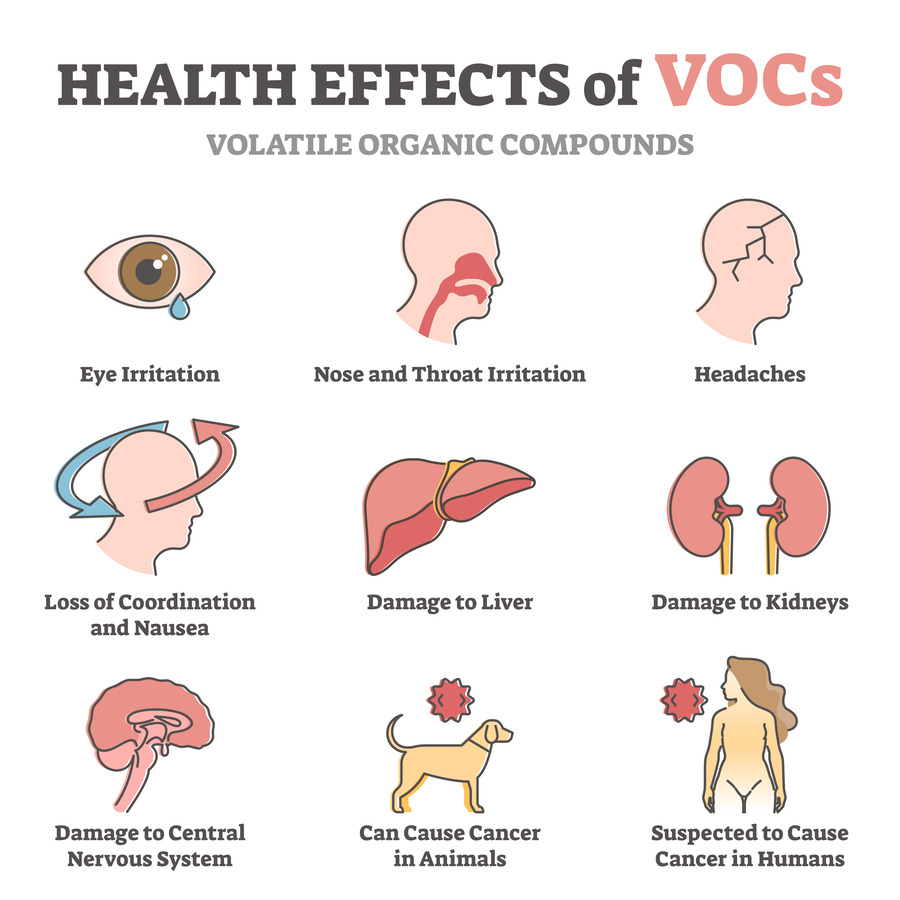
- Volatile Organic Compounds (VOCs)
VOCs are a group of chemicals that easily evaporate into the air, making them common in household cleaners, paints, and air fresheners. These chemicals can contribute to indoor air pollution, leading to respiratory issues, headaches, and even long-term damage to the liver and kidneys. Some VOCs, like benzene and formaldehyde, are also known carcinogens. Reducing exposure involves choosing non-toxic cleaning products, using low-VOC paints, and increasing ventilation in your home.
Environmental Toxins and Immune Dysregulation:
Environmental toxins are pervasive, affecting us in ways that go beyond just heavy metals and pesticides. Air pollutants like particulate matter, volatile organic compounds (VOCs), and nitrogen dioxide (NO2) trigger systemic inflammation, oxidative stress, and respiratory issues. Alarmingly, growing research suggests these pollutants are linked to autoimmune diseases. Additionally, endocrine-disrupting chemicals (EDCs), found in plastics, personal care products, and industrial chemicals, interfere with hormonal signaling and immune function, making children especially vulnerable to autoimmune conditions.
The Genetic Component of Detoxification
Our ability to detoxify isn’t only influenced by the toxins we encounter—our genetics also play a crucial role. Specific genetic variations, called single nucleotide polymorphisms (SNPs), can either enhance or impair our detox pathways. For some, these genetic variations slow down the body’s ability to process and eliminate toxins, making them more susceptible to toxic buildup.
MTHFR & the role of Methylation
The MTHFR (Methylenetetrahydrofolate Reductase) gene plays a pivotal role in a critical biochemical process called methylation. Methylation is a complex and essential process in the body, responsible for everything from DNA repair to neurotransmitter regulation and detoxification. When the MTHFR gene is functioning optimally, it produces an enzyme that converts dietary folate (vitamin B9) into its active form, 5-MTHF (5-methyltetrahydrofolate).
However, when there are variations or mutations in the MTHFR gene, this crucial enzyme doesn’t work as efficiently. The two most common MTHFR gene variations are known as C677T and A1298C, with the C677T variation being linked to a significant reduction in enzyme activity. For those with these genetic variations, the conversion of dietary folate into 5-MTHF is impaired, leading to lower levels of active folate and a downstream impact on the methylation cycle.
The Impact of MTHFR Variations on Health
When methylation is compromised, several key processes can be affected, such as:
- Detoxification:Methylation supports the body’s breakdown and elimination of toxins and heavy metals. Impaired methylation due to MTHFR variations can lead to a toxic buildup and chronic inflammation. This toxic overload can contribute to chronic inflammation, autoimmune conditions, and other health challenges.
- Neurotransmitter Regulation:Methylation helps produce and regulate neurotransmitters like serotonin, dopamine, and norepinephrine, which affect mood and emotional stability. Reduced methylation can contribute to mood imbalances, anxiety, and depression.
- Homocysteine Regulation: One key function of methylation is converting homocysteine into methionine. When this doesn’t occur efficiently, homocysteine levels can rise, increasing the risk of cardiovascular problems and inflammation.
Other Key Gene Mutations
- CYP: The CYP (Cytochrome P450) family of genes encodes enzymes that play a central role in the metabolism of toxins, medications, and even hormones. Variations in these genes can alter enzyme activity, affecting how efficiently the body processes and breaks down toxins. Reduced CYP enzyme activity can lead to toxic buildup, particularly when exposed to environmental pollutants like pesticides or air pollutants, as well as prescription drugs. Individuals with certain CYP SNPs may find themselves more sensitive to medications, alcohol, or environmental chemicals due to their body’s reduced ability to clear these substances effectively
- GST: The GST (Glutathione S-Transferase) family of genes is essential for the body’s detoxification system. These genes help produce enzymes that bind toxins to glutathione, a powerful antioxidant, allowing for their safe elimination from the body. Variations in GST genes can reduce enzyme activity, impairing the neutralization and elimination of harmful substances. Individuals with impaired GST function are more prone to oxidative stress, a state where harmful free radicals accumulate, increasing the risk of inflammation, cellular damage, and chronic illnesses.
- PEMT(Phosphatidylethanolamine N-Methyltransferase) gene is responsible for the production of phosphatidylcholine, a key component of cell membranes and an essential player in liver detoxification. Variations in the PEMT gene can reduce phosphatidylcholine production, impairing the liver’s ability to process fats and detoxify the body efficiently. Individuals with PEMT SNPs may experience issues with fat digestion, liver function, and increased susceptibility to toxin accumulation due to reduced liver efficiency.
- COMT: TheCOMT (Catechol-O-Methyltransferase) gene produces an enzyme that helps break down and clear excess catecholamines—hormones like adrenaline, dopamine, and estrogen. Variations in this gene can impair the breakdown of these hormones, leading to higher levels circulating in the body. Individuals with COMT SNPs often experience heightened stress responses, anxiety, or estrogen dominance. In the context of detoxification, impaired COMT activity can contribute to hormone imbalances and reduced clearance of toxins, particularly those that interact with hormone pathways.
- NAT:NAT (N-acetyltransferase) genes are involved in the metabolism of drugs and environmental chemicals, specifically those containing amines and hydrazines. These genes play a key role in detoxifying common environmental pollutants such as cigarette smoke, car exhaust, and industrial chemicals. Variations in NAT genes can slow down the process, leading to prolonged exposure to toxins and increased susceptibility to adverse health effects. People with NAT SNPs, known as “slow acetylators,” may experience heightened sensitivity to medications and a greater risk of toxic buildup.
Genetics and Environmental Toxins: A Dangerous Combination
When genetic factors impair detoxification, the body struggles even more with the overwhelming exposure to environmental toxins like heavy metals, PFAS, and glyphosate. This accumulation of toxins can disrupt essential biological processes, damage organs, and lead to serious health consequences. For instance, heavy metals such as mercury, lead, and aluminum can build up over time, contributing to autoimmune diseases, neurological disorders, and even cancers.
By understanding the interaction between environmental toxins and our genetic makeup, we can take proactive steps to support detoxification, reduce toxic burden, and protect long-term health.
Detoxification: the importance of going Low and Slow
But here’s the key: the process should start with low doses slowly introduced. Rushing detoxification can overwhelm the body, releasing toxins into the bloodstream faster than the body can eliminate them. This can lead to what’s called a “Herxheimer reaction,” where symptoms actually worsen for a period due to the sudden increase in toxins.
To avoid this, it’s important to start with low doses of detox supplements (you can even open capsules and sprinkle a small amount into food or drinks) and gradually increase them over time. When introducing a binder, detoxifier or biofilm buster, take it every couple of days at first to ensure you’re not overwhelming your system. Going slow allows your body to detox safely and effectively without triggering uncomfortable reactions.
The Steps to Safe Detoxification
- Reduce Exposure– Limit contact with environmental toxins by choosing cleaner, safer products and foods.
- Open Detox Pathways– Support your liver, kidneys, and lymphatic system to help toxins exit the body. Do not jump over this step!
- Poop 1-2 Times a Day– Regular bowel movements are key to eliminating toxins. Constipation can slow detoxification.
- Add Supports– Include detox-supportive foods and supplements like antioxidants, glutathione, and fiber. Incorporate a couple of the following supportive practices: dry brushing, castor oil packs, infrared sauna, lymphatic massage or ionic foot bath.
- Use a Binder– Different binders target different toxins (heavy metals, mold, candida, parasites). Choose and rotate your binders based on your needs.
- Binder + Detoxifier– After your body adjusts, you can add different supplements to gently help mobilize toxins from tissues into the bloodstream, like NAC, cilantro, parsley, or burbur pinella to name a few.

Detox for a Healthier Future
Our modern world has flooded us with toxins—from the air we breathe to the food we eat, and even the products we use daily. As Dr. Ben Lynch so accurately states, “Our bodies were never designed to bear that chemical burden.” In the past, our detoxification systems could handle the natural toxins we encountered. But today, the overwhelming presence of industrial chemicals, heavy metals, plastics, and pesticides has made it more important than ever to actively support our body’s detox pathways.
By understanding the threats and taking small, intentional steps, we can help protect our bodies and those of our families.
Detoxification is not about quick fixes—it’s about consistent, gentle care. By reducing our exposure to harmful substances, supporting our natural detox pathways, and embracing detox practices at a pace our bodies can manage, we can gradually relieve our toxic burden. Whether it’s choosing safer products, eating organic when possible, or incorporating binders and supports into a thoughtful detox regimen, each step matters.
Remember, detoxification is a journey that requires patience and awareness. Going slow, listening to your body, and making informed choices will set the foundation for lasting health. Our world may be filled with toxins, but with the right approach, we can take back control of our well-being—one small step at a time.