If you’ve recently heard the terms “PANS” or “PANDAS” for the first time, you’re not alone. These conditions are often misunderstood and, unfortunately, not as widely recognized as they should be.
Breaking Down the Basics
PANS stands for Pediatric Acute-onset Neuropsychiatric Syndrome, and it describes a condition where a child suddenly develops severe neuropsychiatric symptoms, such as anxiety, obsessive-compulsive behaviors, or tics. It can feel like these changes develop overnight—one day your child is thriving, and the next, they’re anxious, develop OCD or rage, and completely unrecognizable.
PANDAS, on the other hand, is a specific subset of PANS. It stands for Pediatric Autoimmune Neuropsychiatric Disorder Associated with Streptococcal Infections. As the name suggests, PANDAS is triggered by a strep infection, where the body’s immune system mistakenly attacks parts of the brain, particularly an area called the basal ganglia. This leads to the sudden onset of the symptoms mentioned above.
Think of PANS as the umbrella term—it includes any case of sudden-onset neuropsychiatric symptoms caused by an immune response to various triggers. These triggers might include infections (like strep, mycoplasma, or viruses), exposure to mold or toxins, or even metabolic issues. PANDAS falls under this umbrella, but it specifically links strep infections to the trigger.
The key here is inflammation of the brain, particularly areas that control emotion, behavior, and motor function. This inflammation occurs when the immune system goes haywire, reacting to an infection or environmental factor and mistakenly targeting the brain. The result? Profound changes in your child’s mood, behaviors, and physical well-being.
Overnight Change
Many parents describe their child as changing overnight. This is because the immune response, when triggered, causes a cascade of inflammation that disrupts normal brain function almost immediately. It’s usually not a slow build—more like flipping a light switch.
However, many practitioners are finding that in children exposed to mold or a child whose mother had chronic Lyme when pregnant, that the symptoms may not present as suddenly. The initial onset may be sudden, but the initial symptoms may not be as drastic and then build from there.
Categories of Symptoms
The symptoms of PANS and PANDAS can vary widely, but they generally fall into a few key categories. These are not minor changes; they’re dramatic shifts in behavior and functioning that can disrupt daily life for both the child and their family.
1. Obsessive-Compulsive Behaviors (OCD):
Children might suddenly start washing their hands excessively, fearing germs, or engaging in repetitive rituals that don’t make sense to them or others. A child who previously loved playing in the dirt might now be terrified of touching anything they deem “unclean.”
Our oldest son’s hands were bright red; he had to wear special gloves to sleep in to moisturize them while he slept.
2. Anxiety and Emotional Dysregulation:
Intense separation anxiety is common—your child may panic when you leave the room, even if they were previously independent. Two of my kids slept with me for close to year because it was the only way they would sleep through the night.
Irrational fears or phobias might emerge, such as being terrified of specific sounds, objects, or situations. Explosive mood swings or episodes of uncontrollable crying or rage can dominate your child’s emotional state.
3. Tics or Motor Abnormalities:
These can include sudden physical tics (like blinking or jerking) or vocal tics (repeating certain words or sounds). Coordination issues, such as clumsiness or difficulty with handwriting, may also appear.
One of my kids started to make monkey noises non-stop in the middle of class when he got strep.
4. Sleep Disturbances:
Children often struggle with falling asleep, staying asleep, or experience night terrors. They might wake up frequently, feeling panicked or disoriented.
The sleep disturbances! For us that looked like nightly wake ups around 230 am. And if he was sleeping in his own room he’d wake up and be up for the day!! We figured out that if he slept in the bed with me, he woke up less, and when he did wake up, I’d give him a cheese stick or some other quick snack in bed, in the dark, kinda like a newborn feeding, and we’d snuggle up and he’d drift right back to sleep, like he did when he’d nurse as a baby.
5. Emotional Lability and Mood Changes:
One of the most distressing symptoms of PANS/PANDAS is emotional lability—dramatic mood swings, episodes of extreme rage, aggression and an uncontrollable, almost feral state—completely lost in an overwhelming storm of fight-or-flight panic. These are not tantrums—these are neurological smoke signals, a desperate SOS. As a parent, you have to remember the biological processes at work in their brain that they have no control over, this disease is not your child.
We’ve had holes in walls and doors, furniture toppled, and had to remove all potentially harmful objects. It can be very isolating and traumatic for the child and their family. We separated our children when possible—sending siblings to grandmas for the weekend (a treat for our kids).
6. Changes in Handwriting and Involuntary Movements:
Handwriting changes, often called “micrographia,” can be a significant indicator of neurological impact. Handwriting requires complex coordination between the brain, nervous system, and muscles. The basal ganglia play a critical role in motor control, fine motor movements, and coordination. In PANS/PANDAS, the immune system mistakenly attacks this brain region, leading to involuntary movements (chorea), difficulty controlling fine motor tasks, and changes in handwriting.
Days Before Strep Infection.
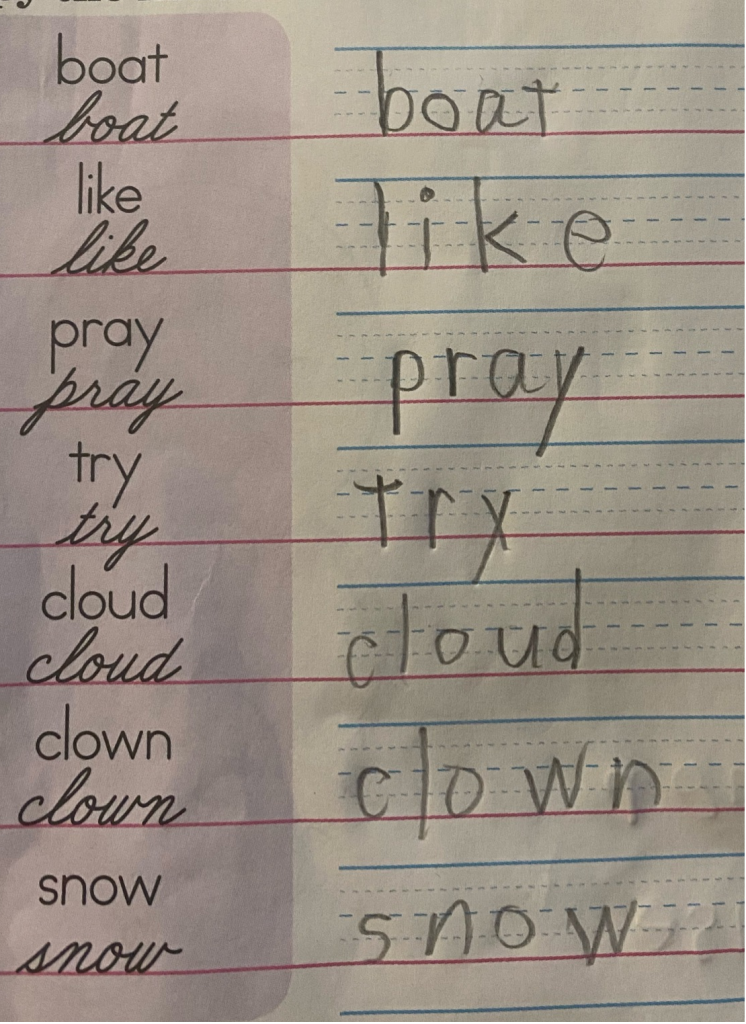
Day of Strep Infection.

7. Other Somatic Symptoms:
Somatic symptoms are physical complaints that stem from neurological inflammation. This could look like frequent urination, bedwetting, joint pain, headaches, sensory issues or sudden changes in appetite. Bedwetting was always a tell-tale sign of us that a flare was coming.
Triggers and Underlying Causes of PANS/PANDAS
Immune Triggers: Infections and Beyond
The most common triggers for PANS and PANDAS are infections that provoke an overactive immune response. In the case of PANDAS, strep infections are the primary culprits. The immune system, in its attempt to fight off the strep infection, produces antibodies. However, in some children, these antibodies mistakenly target healthy brain tissue, leading to inflammation and neuropsychiatric symptoms such as OCD, anxiety, and sudden behavioral changes.
PANS expands this concept to include a broader range of infectious triggers. These can include Mycoplasma pneumoniae (walking pneumonia), various viruses such as influenza, Epstein-Barr virus, and COVID-19. Lyme disease and other tick-borne illnesses are also well established contributors. It’s important to note that infections don’t have to be severe to trigger symptoms. For children with PANS, even a mild illness like the common cold can provoke a disproportionate immune response, leading to significant behavioral or neurological changes.
Environmental and Toxic Triggers
While infections are the most recognized triggers, environmental factors play a role in provoking or exacerbating PANS symptoms too. Mold and mycotoxins, often from exposure to water-damaged buildings, can overwhelm the immune system and contribute to chronic inflammation. These toxins can be especially problematic for children with already overactive immune responses, pushing their systems into further dysregulation.
Beyond mold, exposure to heavy metals, pesticides, and other environmental pollutants can burden the body’s detox pathways, leading to an accumulation of toxins that fuel neuroinflammation. Even food sensitivities can become significant triggers. Foods like gluten or dairy may cause gut inflammation or contribute to leaky gut, which in turn can lead to systemic inflammation affecting the brain. For some children, identifying and removing these environmental and dietary triggers is key to reducing flares.
Genetic and Biological Susceptibility
It’s important to understand that not every child exposed to these triggers will develop PANS or PANDAS. Genetic predisposition plays a significant role in determining which children are more vulnerable. Variants in genes related to immune function, detoxification, or inflammatory pathways can make a child more susceptible to developing these conditions.
In addition to genetics, some children have underlying immune system dysregulation, meaning their immune systems are more likely to overreact to infections or environmental stressors. The gut-brain connection is another critical piece of the puzzle. A compromised gut microbiome or leaky gut can lead to systemic inflammation that directly affects brain health. When the gut barrier is compromised, toxins and undigested food particles can enter the bloodstream, triggering immune responses that contribute to neuroinflammation.
A Perfect Storm
For many families, PANS and PANDAS result from a combination of triggers. It’s rarely just one factor that leads to the onset of symptoms. For example, a child with a genetic predisposition may develop PANDAS after a strep infection. However, their symptoms could worsen or become more persistent if they’re also exposed to mold in their environment and their immune system is primed due to their mom’s latent Lyme status during her pregnancy. Uncovering layers of triggers and dysfunctions in PANS/PANDAS is similar to peeling back the onion layers.
Educate Yourself
Knowledge is one of your greatest tools as a parent navigating PANS or PANDAS. The more you understand about these conditions, the more empowered you’ll feel to make informed decisions for your child’s care. Start by diving into books, research articles, and trusted blogs (like this one!) that cover the nuances of PANS and PANDAS. Expand your learning to related topics, such as neuroinflammation, detoxification, and functional medicine approaches. Staying up-to-date on new research and treatment advancements can give you fresh insights and options as you continue your child’s healing journey.
Trust Your Instincts
As a parent, you know your child better than anyone. If something feels off, trust your gut and continue pushing for answers. It can be incredibly frustrating when healthcare providers dismiss your concerns or don’t fully understand the complexities of PANS and PANDAS. But your persistence pays off. You are your child’s strongest advocate, and your determination can make all the difference.
A Small Step Forward is a Step Forward
Remember, healing is a journey. Taking even one small step—whether it’s adjusting your child’s diet, addressing an environmental trigger, or learning more about the root causes—can help you feel more in control and move your child closer to recovery. This is a marathon, not a sprint. Progress may take time, and there will be hills and valleys along the way. But with the right tools, knowledge, and support, healing is possible.